Community Stars Winners
In this section
Wychavon Community Stars celebrate the people and groups who give their time, energy and skills to make life better for others across the district.
From supporting neighbours and improving local places to bringing people together, this year’s Community Stars show the difference local people can make in their towns and villages.
If you know an individual, group or organisation making a positive difference in your community, you can submit a Community Stars nomination at any time. There is no fixed deadline, as entries are accepted on a rolling basis throughout the year.
Find out how to make a community star nomination
We're proud to recognise this year’s winners and thank them for the positive impact they have on communities across Wychavon.
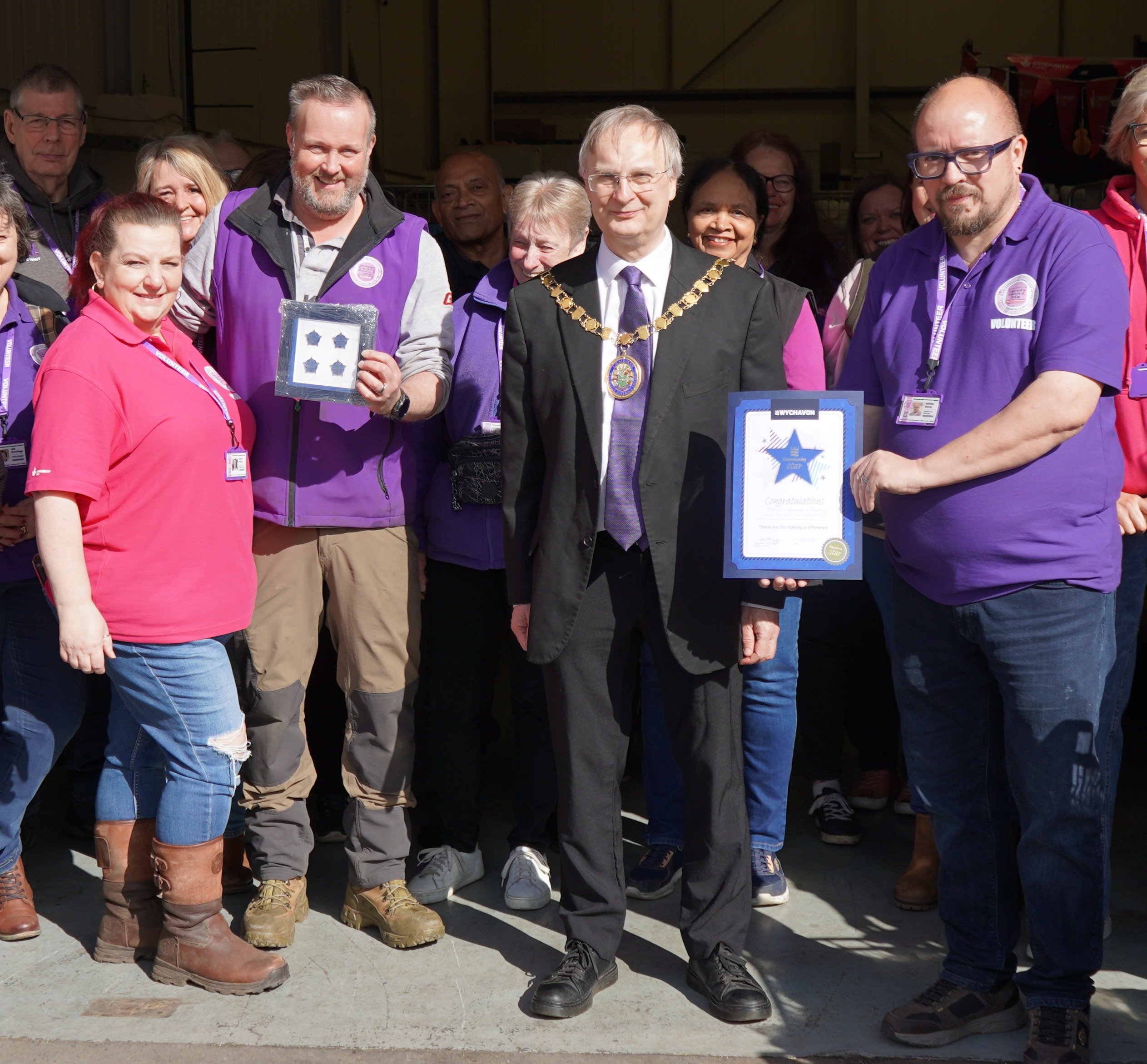
Droitwich Spa and district
Droitwich Spa is home to a fantastic group of Community Stars whose work supports local people in many different ways. From litter picking and community transport to food support, sport, baby bank support and neighbourhood volunteering, this area release will also include Cutnall Green’s Community Star, celebrating how much can be achieved when people give their time to help others.
The winner profiles are below, click the headings to find out more.
-
.jpg)
Neil and Kate Bates
Neil and Kate Bates have spent more than a decade using tennis as a way to bring people together, creating opportunities for children, adults, older people and those with disabilities or health conditions to take part in sport, build confidence and enjoy being part of a community. Through Droitwich Tennis in the Lido Park, Neil and Kate, alongside their dedicated volunteers, provide welcoming and accessible sessions while supporting charities and groups including the Grace Kelly Childhood Cancer Trust, helping children and families experience the joy and wellbeing that sport can bring. Their passion, generosity and commitment to inclusion have transformed lives and created a lasting positive impact throughout the community.
-
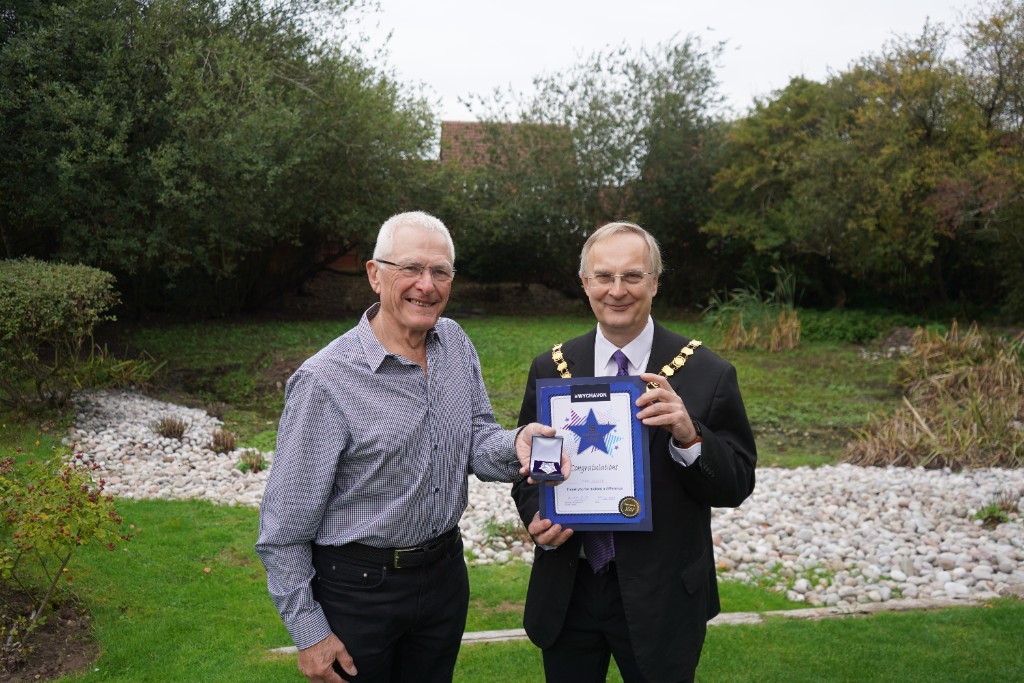
John Cocker
For more than 20 years, John has dedicated his time to maintaining Showell Pond on the Ridings Estate in Droitwich, ensuring it remains a beautiful and welcoming space for the whole community.
His care has transformed the pond into a popular destination where families and residents can enjoy nature, support local wildlife, and benefit from the area's peaceful surroundings.
Through decades of commitment, knowledge, and ideas for improvement, John has made a lasting contribution that is deeply valued and appreciated by the community.
-
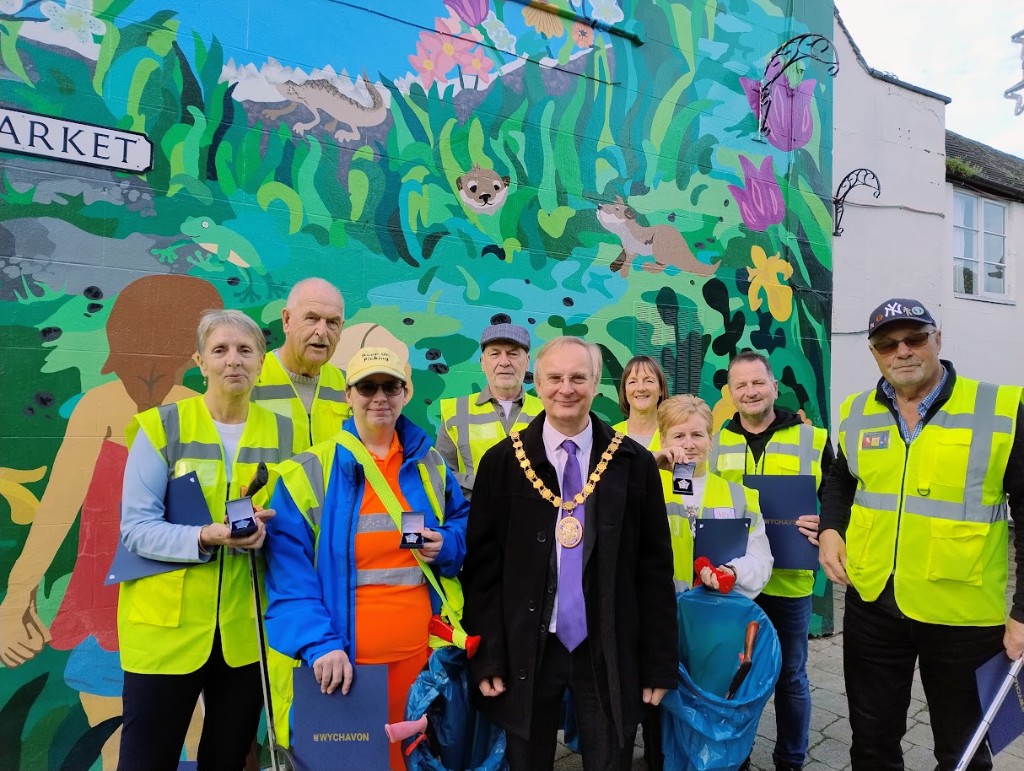
Droitwich Litter Pickers (Sue Brazier)
The Droitwich Litter Pickers are a remarkable team of volunteers who give their time in all weathers to keep local roadsides, hedgerows and public spaces free from litter. Their hard work and dedication make a visible difference to the local environment, helping to protect wildlife and create cleaner, more welcoming communities for everyone.
-
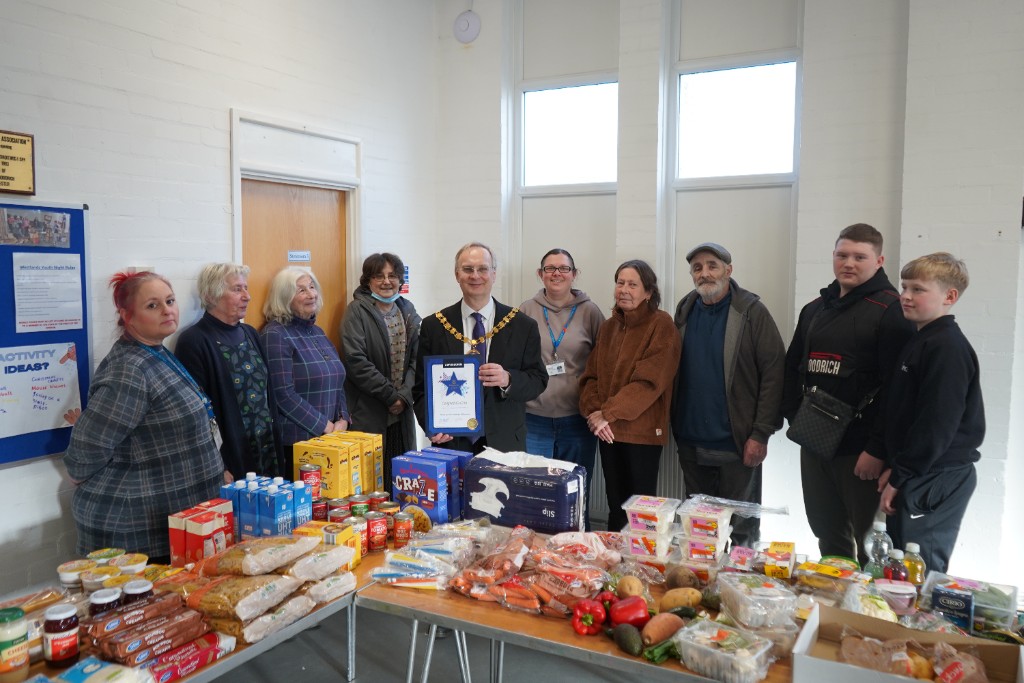
Volunteers at Moving Forward
Moving Forward provides invaluable support to the Westlands community, offering a welcoming place where local people can access advice, guidance and practical help. The dedicated staff and volunteers go above and beyond to support individuals and families, working with partner organisations to help people find the right support when they need it. Through their events, community activities and ongoing commitment, Moving Forward has become a vital source of connection, care and support for residents.
-
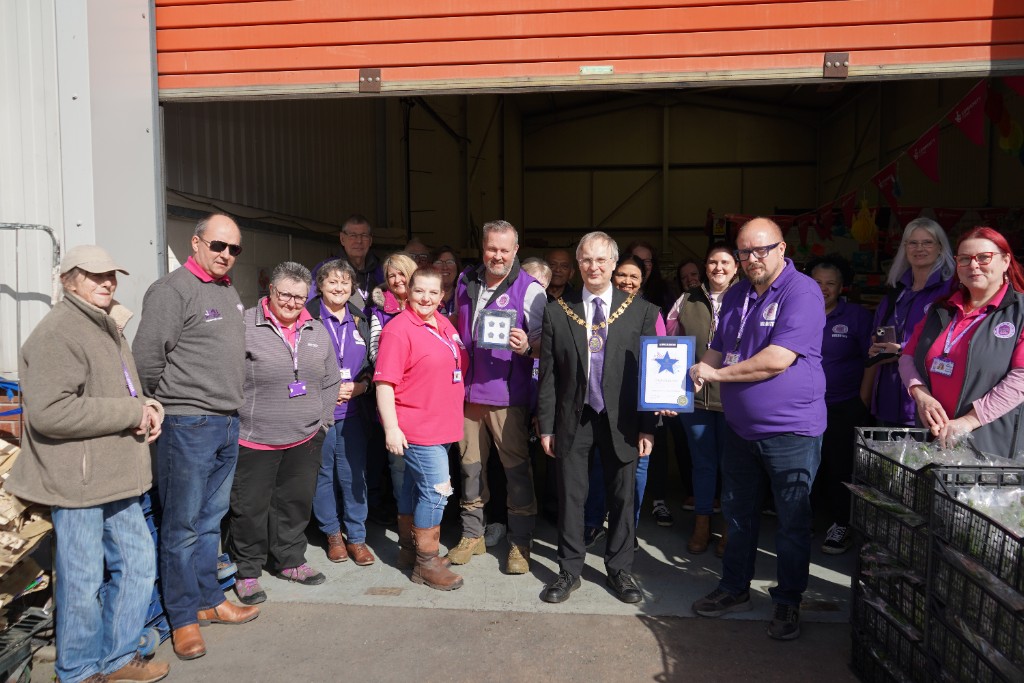
Volunteers at Droitwich Community Pantry and Fridge
The Droitwich Community Pantry and Fridge is a wonderful example of community action, providing practical support to local people while reducing food waste and promoting sustainability.
Through the dedication of its volunteers, the project offers affordable food, a welcoming environment and a helping hand to individuals and families facing challenging times.
Their compassion, commitment and ability to bring people together have made a lasting positive impact across Droitwich and the surrounding area.
-
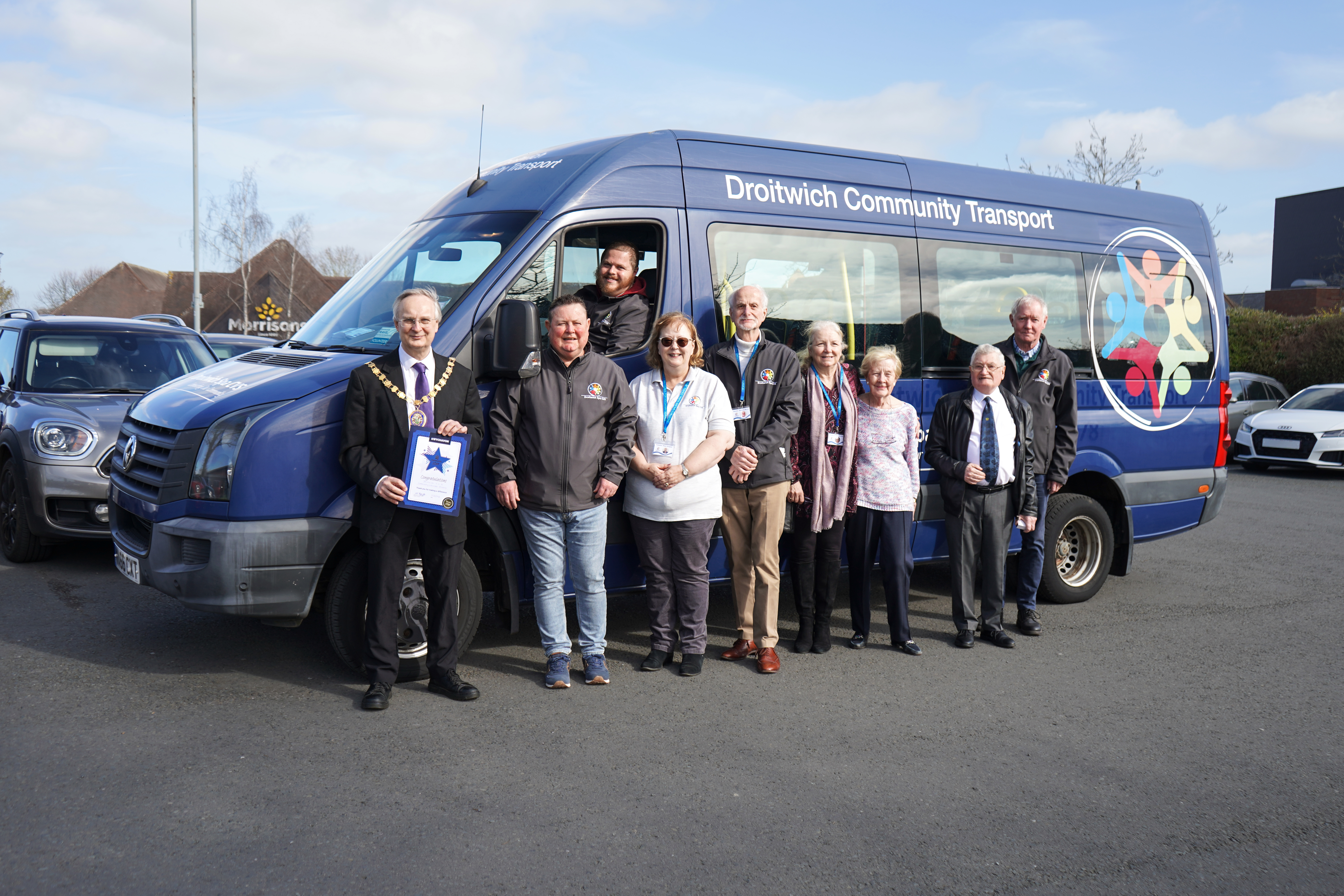
Volunteers Droitwich CVS transport
Droitwich Community Volunteering Service provides an essential lifeline for local residents, offering community transport that enables people to attend medical appointments, social clubs, and activities that would otherwise be out of reach. Its dedicated volunteer drivers give their time each week to support passengers, providing not only safe transport but also friendship, reassurance, and companionship.
For many users, including those with mobility challenges, this service plays a vital role in maintaining independence, mental wellbeing, and social connections. The volunteers go above and beyond, assisting passengers with care and dignity, while giving families and carers valuable respite.
Alongside community transport, the organisation supports the wider community through volunteer opportunities, room hire, advice and support services, and regular social activities. Droitwich Community Volunteering Service is a much-valued local organisation that makes a lasting difference to the lives of residents across the area.
-
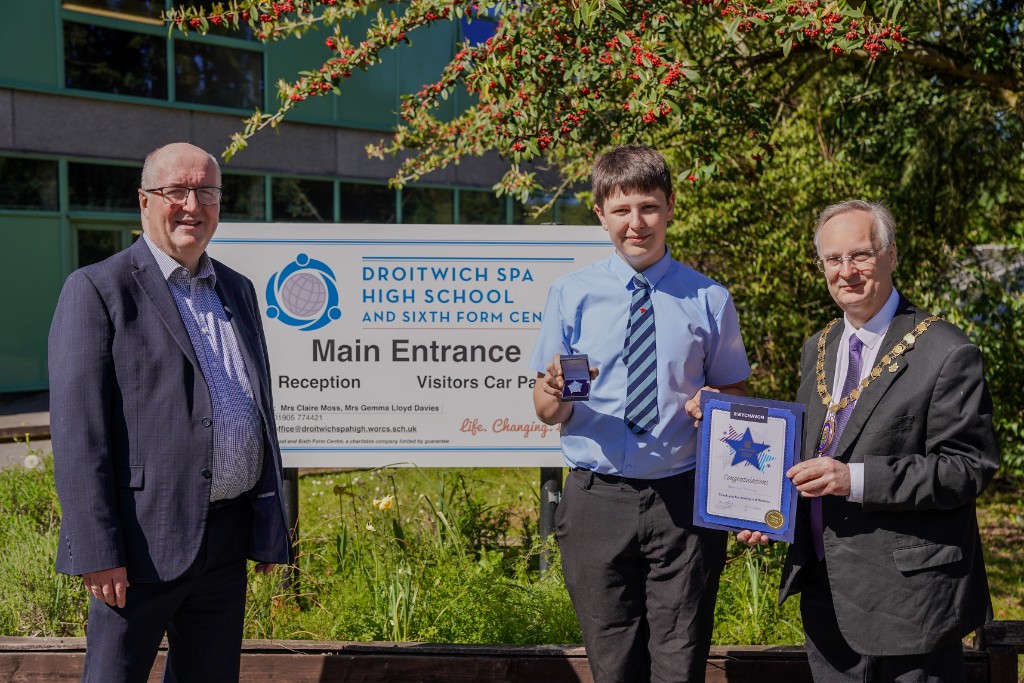
Matty Kenny
At just 14 years old, Matty Kenny has already made a significant impact in his local community through his work with the Droitwich Cycling, Walking & Wheeling Group (DCWWG) and Droitwich Spa Youth Council. His passion for active travel, inclusion, and giving young people a voice has driven him to help create positive change across Droitwich.
As a founding member of DCWWG, Matty has played a key role in developing community initiatives, including the Droitwich Bike Bus and a free Bike Repair Hub, helping people of all ages and backgrounds access cycling support. Through this work, he has developed valuable leadership, communication, and community engagement skills while promoting the benefits of active travel for physical and mental wellbeing.
Matty’s involvement with Droitwich Spa Youth Council has also enabled him to represent young people, influence local decisions, and champion issues that matter to his peers. His enthusiasm, confidence, and commitment to making a difference demonstrate an outstanding level of community spirit and leadership at a young age.
-
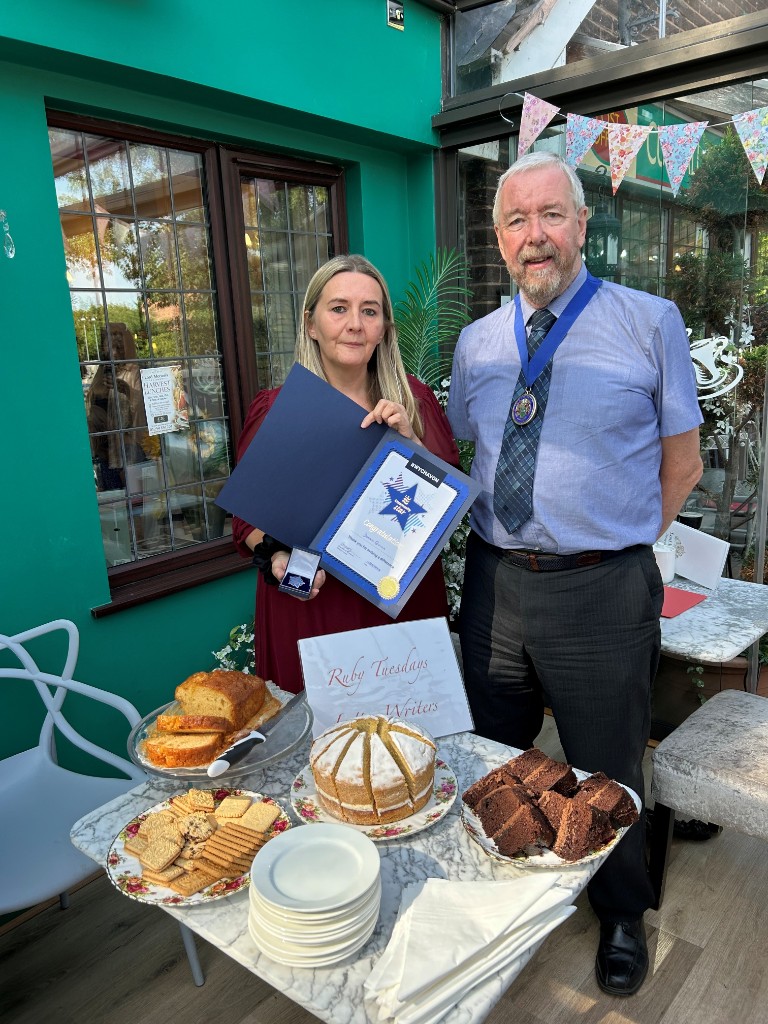
Donna Quinn
"Donna Quinn’s lifelong commitment to Cutnall Green and its residents has made a lasting impact on the village and the wider community. From saving and restoring the iconic red telephone box into a much-loved community library, to supporting local groups, improving awareness of defibrillators, and creating opportunities for people to connect, Donna consistently goes above and beyond.
Her dedication to tackling loneliness, particularly among older residents, is reflected through initiatives such as the monthly Ruby Tuesdays Letter Writers group, while her involvement with local organisations continues to strengthen community spirit."
Evesham and district
Our Evesham Community Stars have each made a meaningful contribution to local life. Their work includes caring for Evesham’s swan population, raising money for defibrillators, supporting people through Caring Hands and volunteering in village life in Offenham.
The winner profiles are below, click the headings to find out more.
-
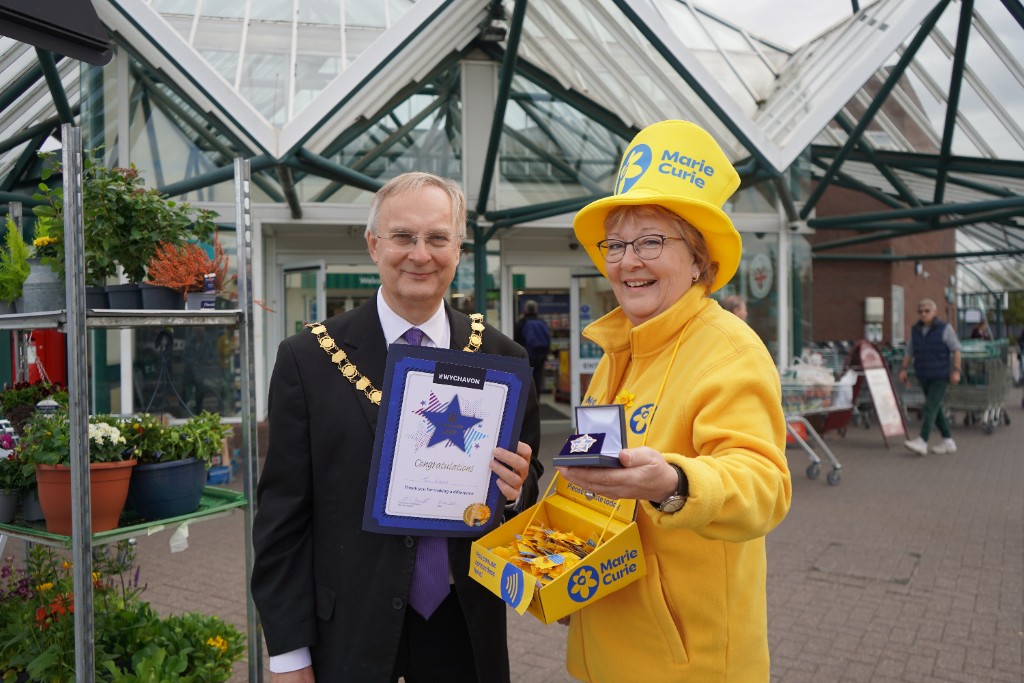
Tina Whitfield
Tina is a dedicated community volunteer who is always ready to support those around her. She has raised thousands of pounds for Marie Curie through fundraising events and collections, serves on numerous village committees, and is known for her kindness, often providing practical help to neighbours whenever they need it. Her commitment to both her local community and her family makes her a truly valued and inspiring member of the village.
-
.jpg)
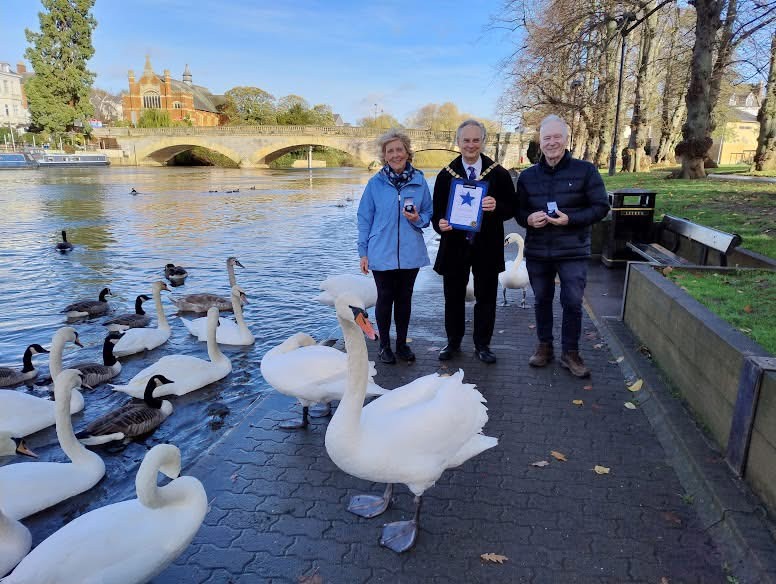
Karen and Steve Bearcroft (Swans)
Karen and Steve Bearcroft are dedicated volunteers who work tirelessly to protect and care for Evesham's iconic swan population. Through daily patrols, emergency rescues and close monitoring of swans and cygnets, they help keep the birds safe while working closely with the Vale Wildlife Hospital and Rehabilitation Centre to ensure injured wildlife receives the care it needs.
-
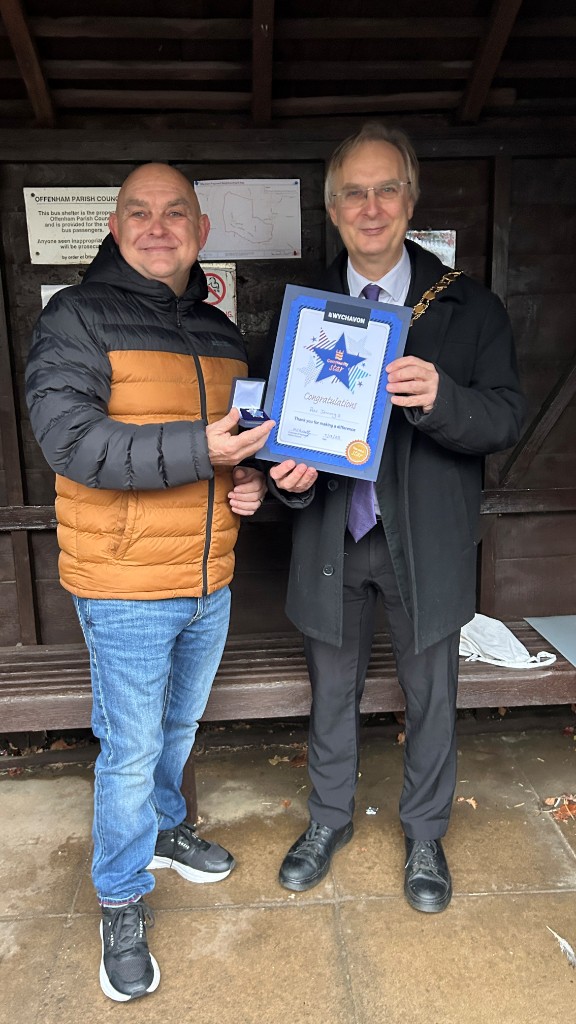
Peter Jennings
Peter Jennings has dedicated more than 16 years to supporting young people in Offenham through his leadership of the village Youth Club, creating opportunities for children and teenagers to build friendships, confidence and valuable social skills. Alongside this, his 20 years of service on the Offenham Wake Committee have helped bring the community together through events and celebrations.
-
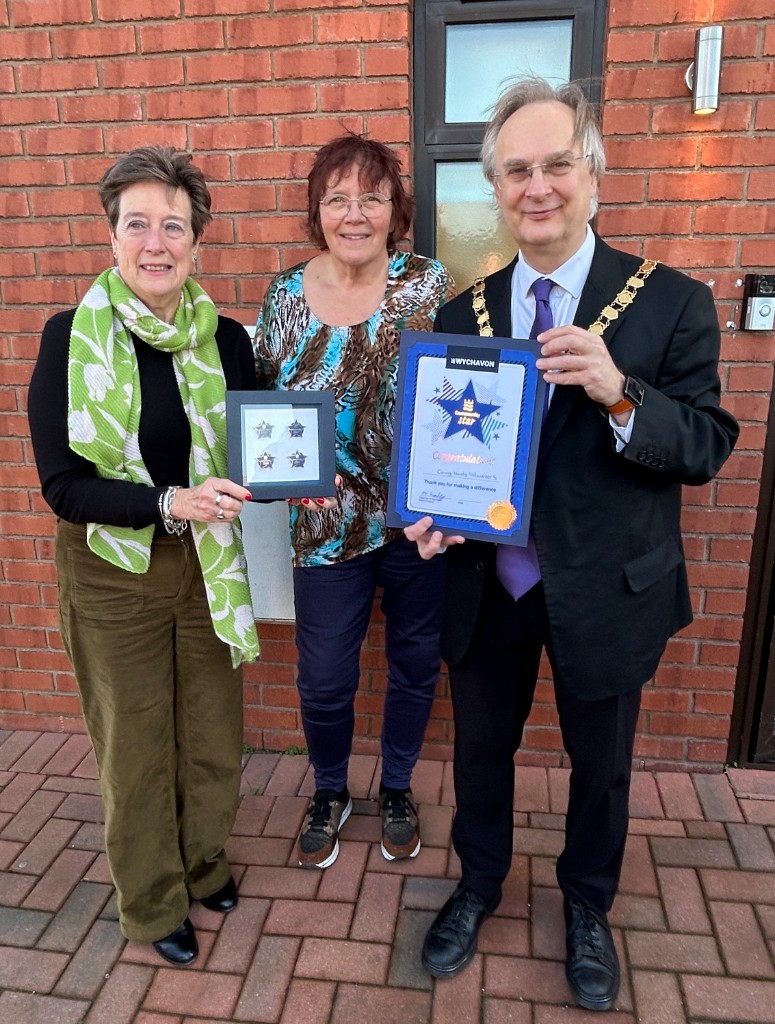
Caring Hands volunteers
The Caring Hands volunteer team has been supporting people across the Vale of Evesham for more than 22 years, providing practical help, compassion and a warm welcome to those who need it most. Through food, baby, household, pet food and homelessness support services, along with community meals and a pantry, this dedicated team helps more than 5,000 people each year. From preparing food parcels and serving meals to offering a listening ear and a sense of belonging, the Caring Hands volunteers’ kindness and commitment make them truly deserving Wychavon Community Stars.
-
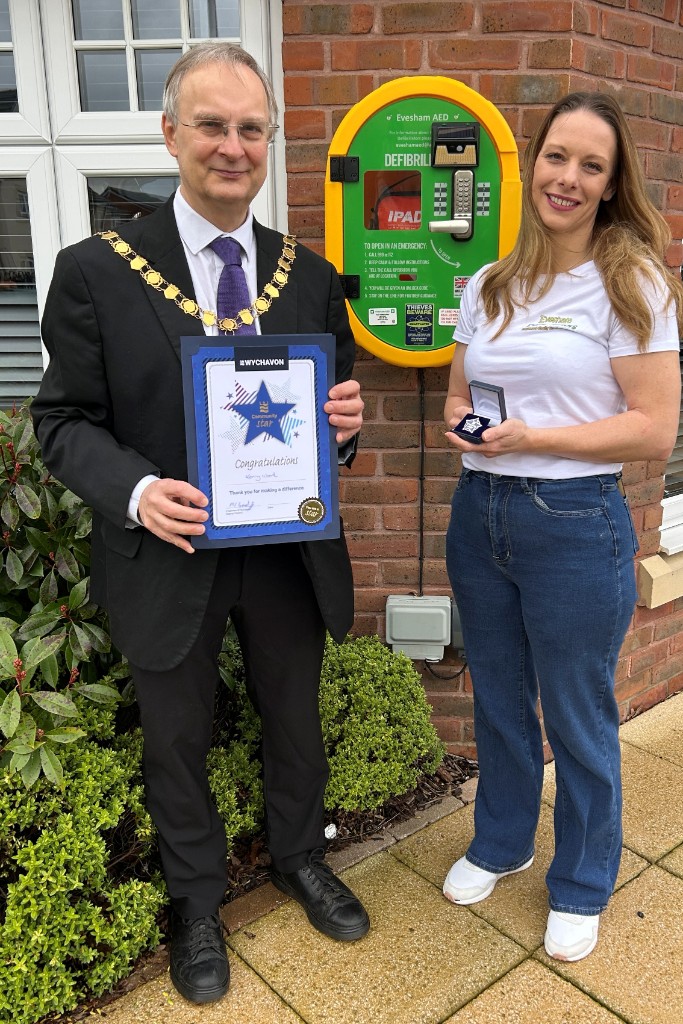
Kerry Wood
Kerry Wood has worked tirelessly to improve community safety across Evesham by raising awareness and funding for life-saving defibrillators. Through her fundraising efforts and dedication, she has helped install 31 defibrillators around the town and continues to campaign for more to be made available. Her commitment, determination and passion for helping others have made a significant difference to the local community.
-
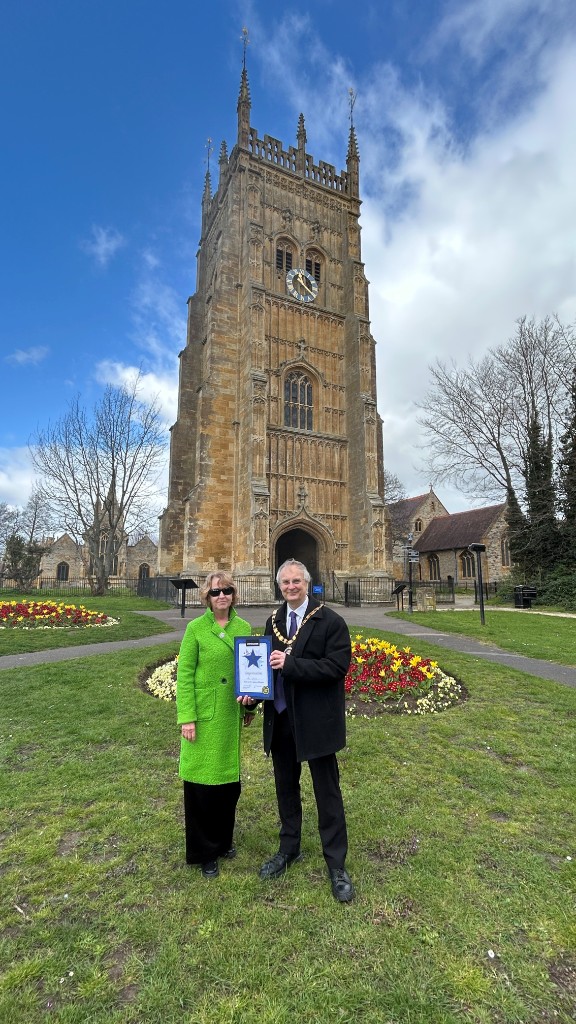
Liz Green
Liz Green has dedicated countless hours to making Evesham a more dementia-friendly community, ensuring that people living with dementia and their families feel supported, understood and included. Through delivering dementia awareness training, organising social events, building partnerships and championing accessibility, Liz has helped raise awareness and create positive change across the town. Her determination, compassion and commitment have played a vital role in strengthening support for the dementia community.
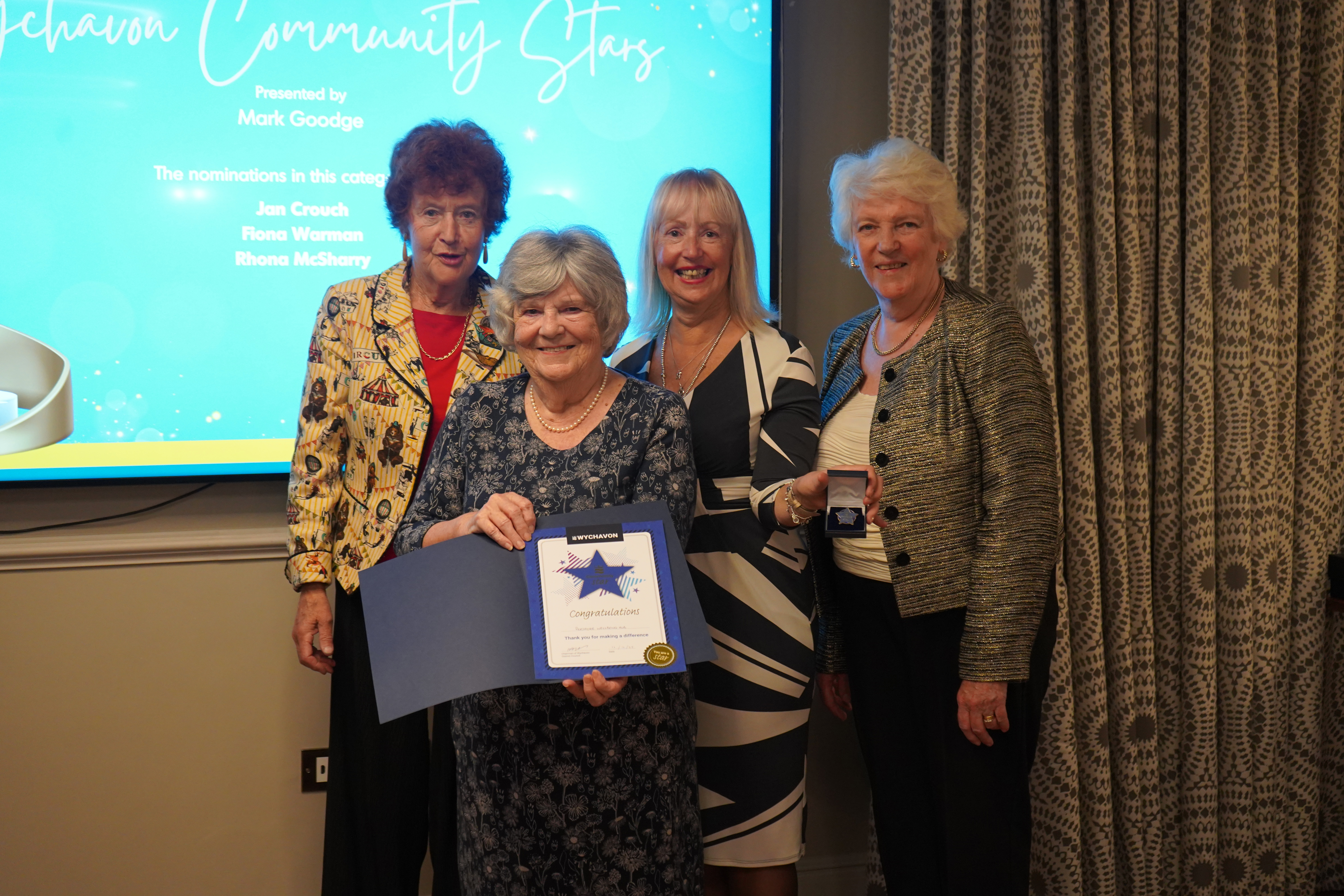
Pershore and district
The Pershore-area Community Stars release brings together winners from Pershore, Inkberrow, Norton-juxta-Kempsey and wider Wychavon stories. Together, they reflect the importance of wellbeing, connection, music, volunteering, local places and support for people across the wider community.
The winner profiles are below, click the headings to find out more.
-
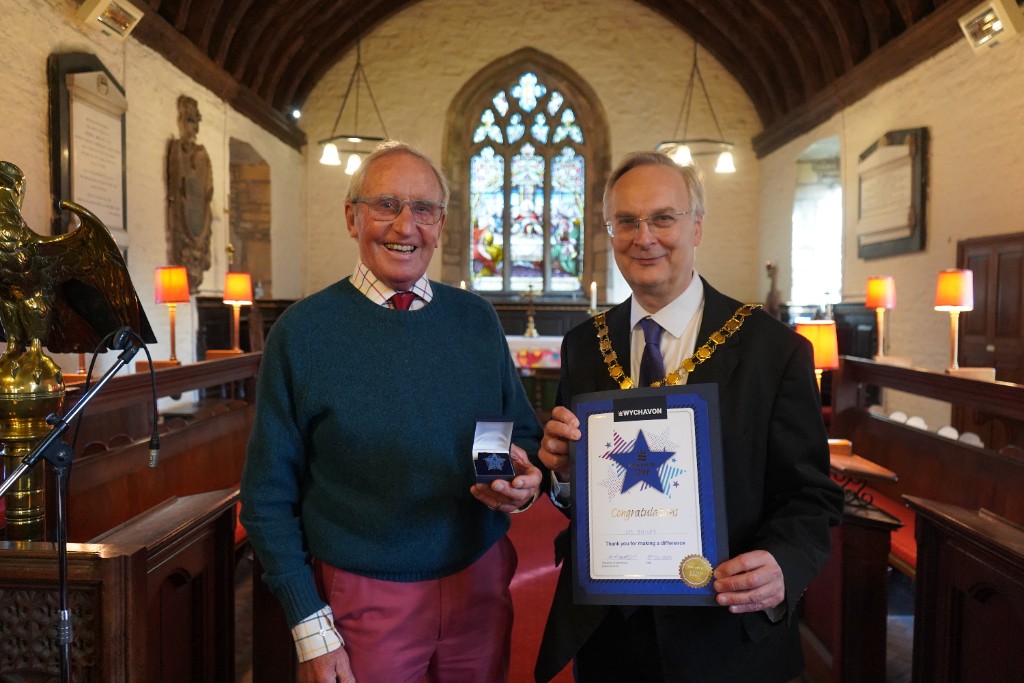
Les Bailey
At 88 years old, Les is an extraordinary volunteer whose dedication touches almost every aspect of village life in Peopleton. As a Parish Councillor, Footpath Warden, trustee, committee member, community shop volunteer, and organiser of major village events, he has given countless hours to supporting the community. His leadership in securing the Norchard Lane field for the village and creating a new community orchard is just one example of the lasting legacy he has helped build for future generations.
-
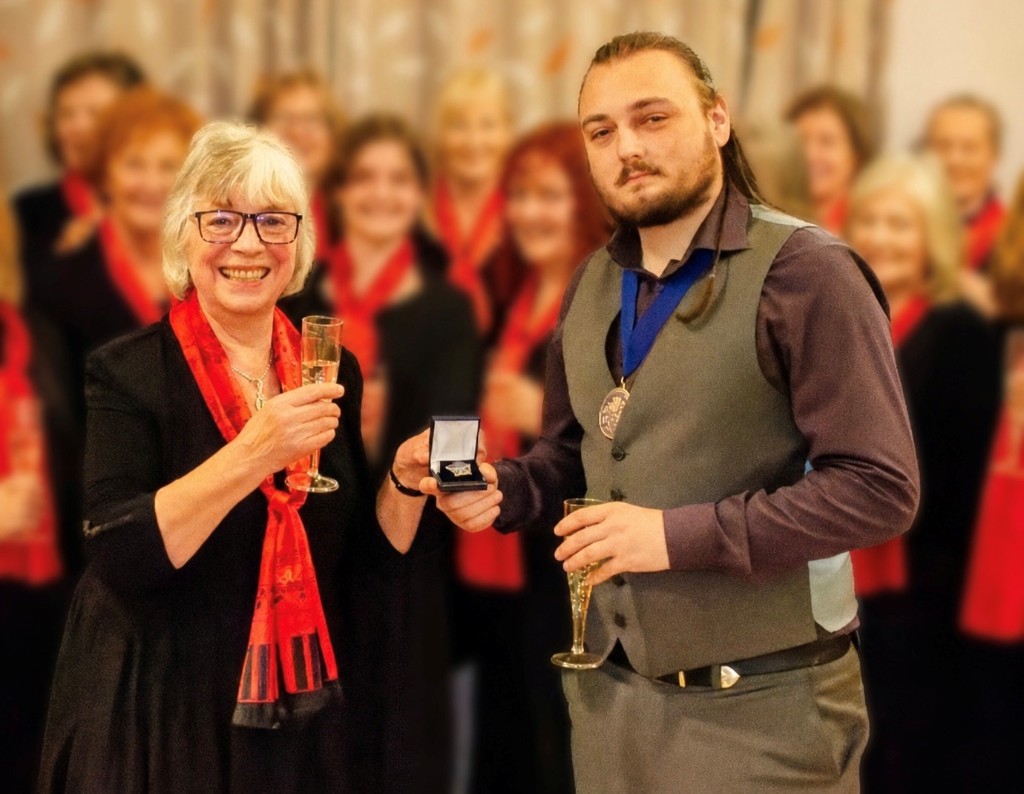
Margaret Ballard
Margaret Ballard has dedicated more than 25 years to leading the Ballard Singers, creating a welcoming choir that brings people together through music, friendship and community spirit. Through her inspiring leadership, tireless voluntary commitment and passion for helping others develop their confidence and talent, she has enriched the lives of choir members while raising funds for local charities, churches and community organisations.
-
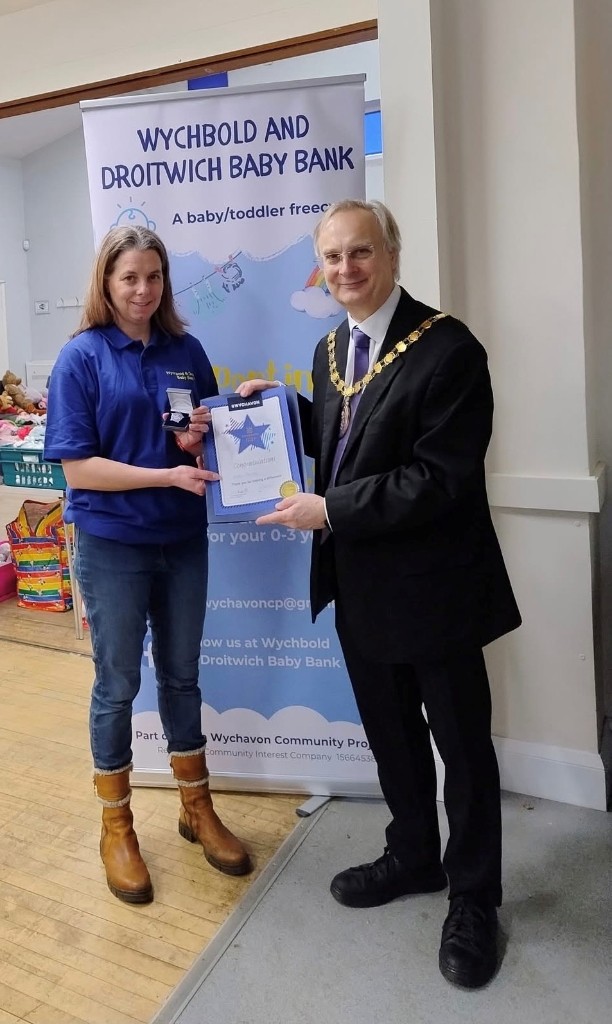
Katie Thorley
Katie Thorley has been an exceptional volunteer with the Wychbold & Droitwich Baby Bank since it was founded and now serves as a Director of the CIC. Her dedication, enthusiasm and countless hours of voluntary work help ensure the baby bank runs smoothly, from sorting donations and organising storage to supporting the day-to-day operation of the service. Katie's passion, commitment and willingness to go above and beyond
-
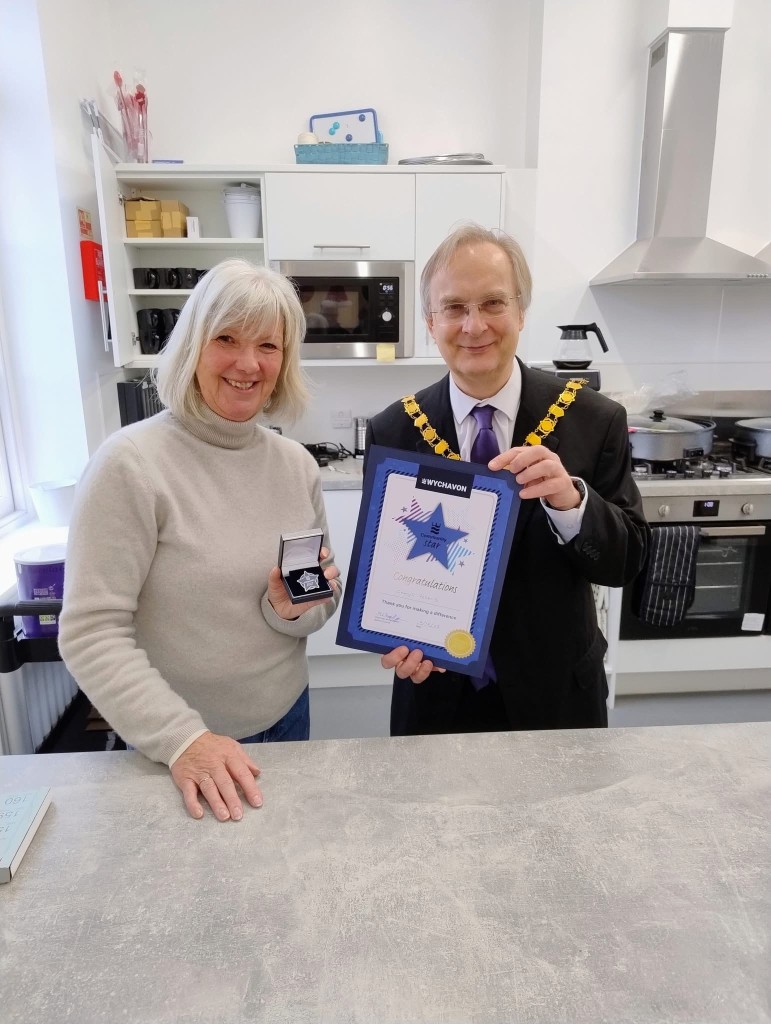
Cheryl Peters
Cheryl Peters is an outstanding community champion whose dedication and enthusiasm have made a lasting impact across Norton-juxta-Kempsey. Through her work with the Community Apiary Group, Worcestershire Regiment Group, Royal British Legion, parish green spaces and public rights of way, she gives her time generously to support nature, heritage and local people.
-
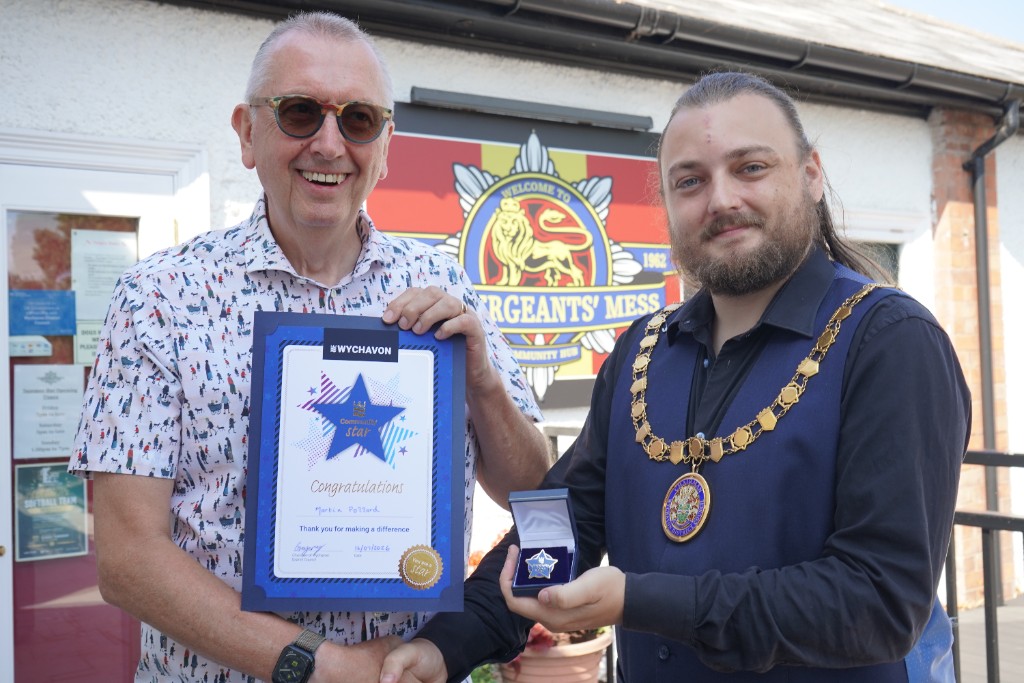
Martin Pollard
Since 2020, Martin Pollard has been at the heart of the Worcester Norton Community Interest Company (CIC), helping transform the vision of the Sergeants’ Mess Community Hub into a thriving community facility. As Treasurer and a volunteer Director, Martin has dedicated countless hours to managing finances, supporting negotiations, overseeing development, and ensuring the project’s success.
Through his commitment, expertise, and hands-on involvement, Martin has helped create a vital space for connection, support, and community life in Norton-juxta-Kempsey. His tireless voluntary contribution, both behind the scenes and on-site every day, has made a lasting difference and is a true example of going above and beyond for the local community.
-
Pershore Wellbeing Hub volunteers
Pershore Wellbeing Hub is a welcoming local charity providing free, confidential listening, advice and signposting to support the wellbeing of people across Pershore and the surrounding villages. With the help of 35 dedicated volunteers, they assist more than 1,850 people each year through practical support, form-filling, peer support groups and connections to over 300 organisations offering specialist help.
-
Richard Stott
Richard Stott has been a driving force behind Avon Meadows for more than 20 years, dedicating countless volunteer hours to protecting and promoting one of Wychavon's most treasured wildlife sites. As Chair of the Friends of Avon Meadows, his passion, knowledge and quiet commitment have inspired others through wildlife recording, guided walks and conservation work, ensuring the meadows remain a place for nature, learning and recreation.
-
Patricia Edwards
Patricia Edwards has spent almost 25 years bringing people together in Inkberrow through the Tuesday Afternoon Community Tea Club, creating a welcoming space that helps reduce loneliness and strengthens community connections. Through organising guest speakers, social outings, village events and initiatives such as planting daffodils across the village, Pat has made a lasting contribution to local wellbeing and community spirit. Her kindness, dedication and commitment to supporting others have had a profound and lasting impact on the people of Inkberrow.
-
Peter Corbishley and Trevor Battersby
Peter Corbishley and Trevor Battersby has been instrumental in raising awareness of prostate cancer across Wychavon. Through voluntary dedication, they have championed PSA testing, organised community health events, built strong partnerships with local healthcare organisations, and tirelessly promoted early diagnosis and support for men most at risk.
Despite both undergoing treatment for prostate cancer themselves, Peter and Trevor continue to give their time and expertise to the cause. Peter also edits the quarterly WPCSG magazine, keeping members informed about the group's activities, advances in prostate cancer treatment, and developments in national screening policy.
-
Neil Middleton and Biff Roberts and Steel Horse Bike Nights
Steel Horse Bike Nights is a local motorcycle group that brings people together through weekly meets across the Wychavon area, creating a welcoming community for riders, friends and families. Founded by local residents Neil Middleton and Biff Roberts following the isolation of the coronavirus pandemic, the group was created to help people reconnect and enjoy shared interests while supporting a vital local cause.
The group raises thousands of pounds each year for the Midlands Air Ambulance Charity through regular events attended by up to 300 motorcyclists. Supported by a dedicated team of volunteers who help with parking, safety and merchandise sales, Steel Horse Bike Nights ensures everyone can enjoy a friendly and well-organised evening while contributing to lifesaving services.
Beyond fundraising, the group provides an important sense of belonging for many people in the community, offering a regular opportunity to meet, socialise and build friendships. Their commitment, generosity and community spirit make a lasting difference to local people and the causes they support.
-
Mixed Ability Worcester Rugby Club
Worcester Rugby Club’s Mixed Ability Team is a truly inclusive group where everyone is welcomed, supported and given the opportunity to be part of a team, regardless of age, ability or personal circumstances. Bringing together players with disabilities, additional needs, injuries and those returning to sport later in life, the team provides not only a chance to play rugby but also a place to build friendships, confidence and a sense of belonging.
Run by passionate volunteers who dedicate their time to coaching, organising matches and creating opportunities both on and off the pitch, the team has achieved remarkable success, including participation in Mixed Ability World Cups. More than just a rugby team, it is a supportive community that improves mental and physical wellbeing, encourages connection and shows the powerful impact of inclusion through sport.
-
Doug Langdon
Doug has been nominated for his outstanding commitment to Wychavon Parish Games, taking on the secretarial role as well as chairing the games and working tirelessly to ensure they continue to thrive. He is also recognised for encouraging residents of all ages to participate in community activities and for his valuable work organising events such as the Coffee and Cake mornings for people living with dementia and memory-related conditions.